
Two nearly identical bottles of eye supplements are sitting on my desk right now. One is almost empty. The other is missing maybe four capsules, shelved early because weeks of tracking never showed it doing anything. That gap between two bottles is roughly what three years of triple-monitor development work and a fourteen-month supplement-testing log have taught me about developer health and digital eye strain — not a single fix, but a running comparison of what actually moves the needle against what just sounds like it should.
My optometrist put an actual name on the problem — digital eye strain, also called Computer vision syndrome — after I described the same gritty, sand-under-the-lids feeling that shows up most afternoons around the same time. There's a particular irony in wrecking your eyes at a job that's mostly just reading text all day, which is its own flavor of self-inflicted problem. The starter advice was the usual list: more breaks, better lighting, maybe a supplement. None of it felt like an actual fix — more like a todo-comment nobody on the team ever closes out.
Why Blue Light Glasses Weren't the Fix
The first thing I tried, before any of the supplement testing, was a pair of clip-on blue light glasses ordered off Amazon — snapped onto my regular frames, promised to cut down on what the screens throw at my eyes. They didn't change anything I could point to. The same headache showed up on schedule, the same gritty feeling by the time I was reviewing a pull request instead of writing one. Call that case one in this whole comparison: glasses alone, against everything that came after.
Testing Seven Supplements Against Digital Eye Strain
Seven different supplements rotated through that experiment over fourteen months, each one logged against a simple fatigue score and a rough sense of monthly cost. The full breakdown of how that tracking worked is laid out separately in my tracking notes and the system I used for testing, so I'll just say here that the real signal only showed up once hydration, brightness, and sleep stopped swinging around day to day.
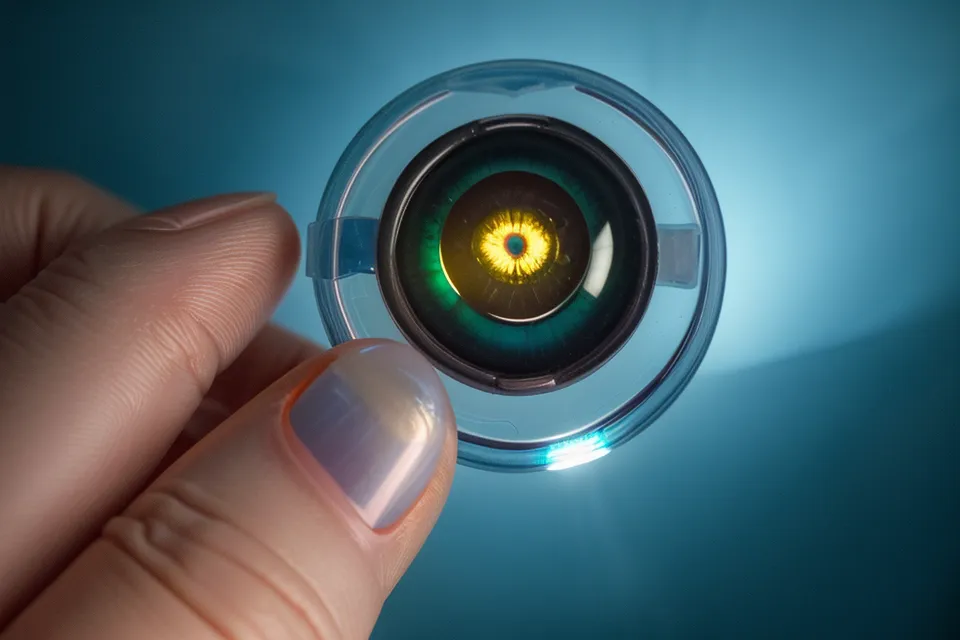
That five-to-one lutein-to-zeaxanthin ratio — ten milligrams to two — shows up on nearly every bottle marketed at screen users, tracing back to the AREDS2 research the industry still leans on heavily. I've got some skepticism about how cleanly a study built around a very different population maps onto a 38-year-old who stares at code for a living, though that is a deeper rabbit hole than this post needs to go down. What actually mattered more in my log wasn't the ratio printed on the label — it was the total dose, and whether I was already getting carotenoids somewhere else.
High-Dose Loading Versus a Moderate Baseline
One approach — call it Case A — was loading up on the highest-dose lutein product I could find, stacked on top of a diet that already leans hard on kale and spinach most weeks. That's where it got counterintuitive: pushing the dose higher didn't improve my afternoon numbers. If anything, the results plateaued, and some stretches actually looked slightly worse. A neighbor of mine spends his weekends brewing his own IPA in the garage, and when I described this to him, he said it sounded exactly like oversaturating a batch with hops, past a certain point, adding more doesn't buy you anything, and sometimes it actively throws off the balance.
Case B was the opposite bet: a moderate, balanced dose, taken consistently, without chasing the biggest milligram count on the label. That one actually stuck. Costs across the seven supplements ran anywhere from twenty to seventy bucks a month, and the pricier bottles weren't reliably the ones that kept the afternoon wall further away — moderate, consistent, and matched to what I was already eating outperformed "maximum dose" pretty much every time it got tested.

Does Your Workspace Matter More Than the Pills?
Monitor brightness and hydration both turned out to be bigger levers than expected, correlating with noticeably better afternoon numbers in the log independent of whichever supplement phase was running at the time. Blinking is a separate issue worth keeping separate: the dry, scratchy discomfort from forgetting to blink while staring at a diff is a different problem from straightforward fatigue, and no amount of lutein fixes a dry-eye problem that a deliberate blink reset or a glass of water would handle just as well.
There's a specific sensation that still works as my personal canary: a throb that starts behind my left eyebrow and migrates toward the base of my skull. When that kicks in, I know I've used up whatever budget my eyes had for the day — usually on a stretch where a late deploy keeps me parked in front of the center monitor far longer than planned, the kind of session where my keyboard clicks noticeably quiet down toward the end, like my hands know before the rest of me is willing to admit it's time to stop.
What My Log Actually Shows
Reviewing the spreadsheet now, the biggest shift isn't that the fatigue vanished — stare at three screens for ten hours and your eyes are going to be tired no matter what's in your system — it's that the wall moved later and got softer around the edges. The full breakdown of all seven supplements, scored the same way every time, is in the tracking results for the seven supplements I tested, for anyone who wants the raw numbers instead of the summary.
Choosing Between the Two Approaches
So which wins — the glasses, the high-dose loading, or the moderate, environment-first approach? None of them in isolation, honestly. If your diet already leans toward pigment-rich vegetables and the fatigue is mild, a moderate dose matched to what you're already eating is probably enough, and stacking a higher-dose product on top is likely wasted money. If the fatigue is severe and the setup is the actual problem — brightness cranked too high, zero breaks, blinking maybe twice an hour — no supplement, at any dose, is going to out-run that, and clip-on glasses certainly will not either. Fix the environment first, then decide whether a moderate supplement is worth adding on top.
That's what's actually waiting beyond the blue light filter — not one single fix, but a short list of trade-offs worth running through before buying another bottle.
None of this makes me any kind of medical authority — I'm a developer with a spreadsheet and a mechanical keyboard, not an optometrist. If your vision is getting blurry or the headaches move from merely annoying into genuinely concerning territory, an actual eye doctor is the next step, not another bottle off a shelf.