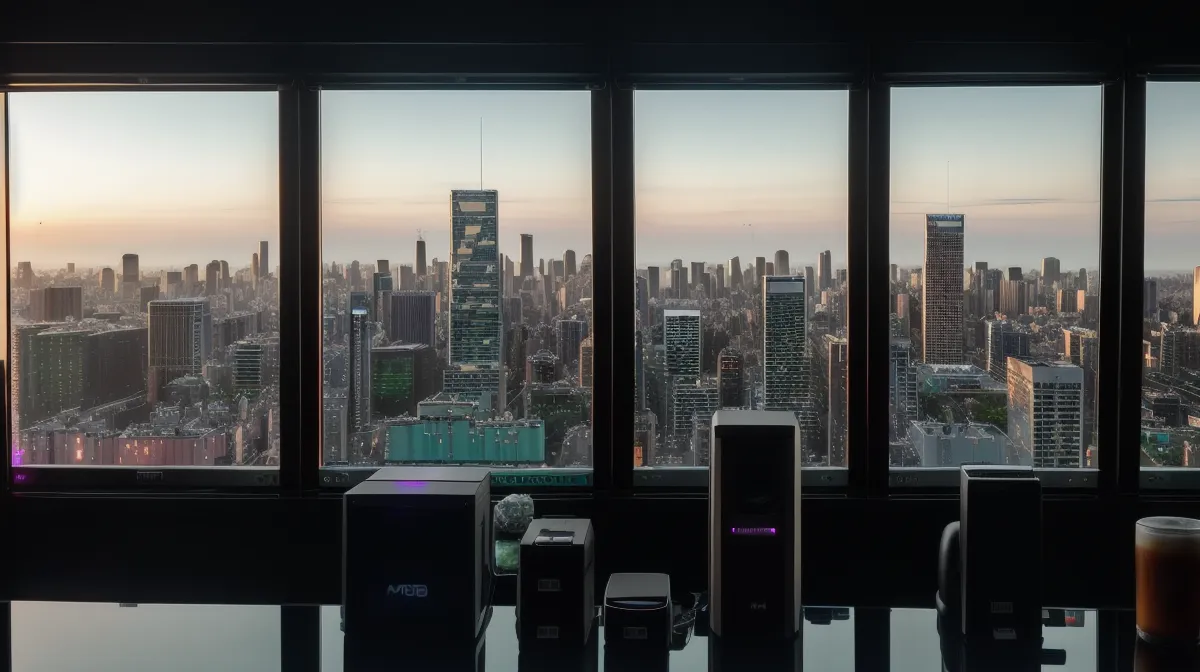
Blue light glasses solved the glare in about a week; they did nothing for the dull ache that showed up every afternoon like a bug nobody could reproduce on demand. That gap, between the remote-work fix everyone recommends and the eye-health problem it doesn't actually solve, is why this supplement-testing, developer-gear project ended up running a lot longer than planned.
Full disclosure before any of that: I write code for a living, not prescriptions. There's no medical license behind any of this, just fourteen months of personal testing and a stubborn spreadsheet habit. This site runs on affiliate links, meaning a purchase through certain links earns a small commission at no extra cost to you, and every supplement mentioned here is one I bought and tracked myself. None of it replaces an actual conversation with your own optometrist.
Glasses Fixed the Glare, Not the Grind
Three monitors side by side is a developer's dream setup and, it turns out, a retina's nightmare. Warning signs got ignored for years, until the bill came due: headaches on a predictable daily schedule, like a cron job nobody disabled. My optometrist's diagnosis, in writing, was Computer Vision Syndrome — eyes stuck in a permanent state of over-focusing on pixels, which is a fair description of what remote-work actually demands of them (and a little on-the-nose for someone who built an entire career around staring at screens).
The standard fix came first: a pair of high-end blue light glasses, bought on the theory that filtering part of the visible spectrum would solve things outright. They helped with glare under the desk lamp, no argument there, but the underlying fatigue barely moved. My eyes still felt sandblasted by the dry Austin air pushing out of the vent above the desk, and by early evening my contacts felt like sandpaper; ibuprofen turned into a prerequisite for finishing pull requests instead of an occasional thing.

Supplement Testing by Spreadsheet, Fourteen Months In
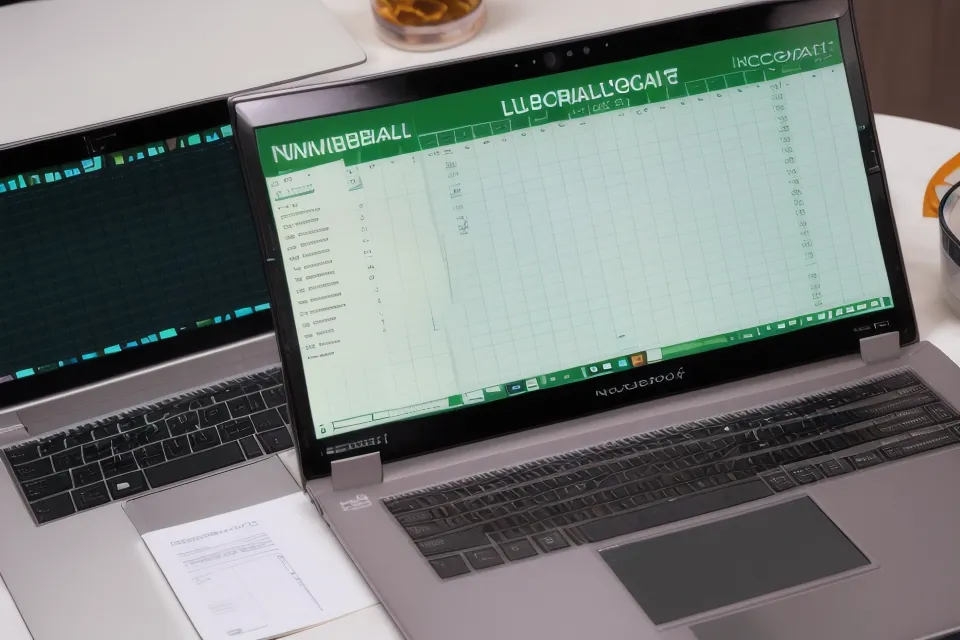
Grabbing a bottle off a shelf and hoping was never going to be enough for someone who tracks everything else about his work. A system came first — a daily fatigue score from one to ten, a running note on monthly cost that stayed in the low three figures for the whole stretch, and a timestamp for every dose. Seven supplements went through that system in total, and the full log lives in my tracking notes from earlier this year.
Before any of the seven made the spreadsheet, there was a less scientific phase involving preservative-heavy eye drops from the drugstore, applied on something close to an hourly schedule. They kept things wet. They did nothing for the ache itself, and going through a bottle every few days started to feel like patching a symptom instead of fixing the actual bug underneath it.
Why I Stopped Chasing Ingredient Counts
TheyaVue was an early stop on the list: budget-friendly, with a 24-ingredient formula that reads like a kitchen-sink approach to vision support. It's a reasonable entry point if the goal is casting a wide net without spending much, and nothing about the experience was a regret. What the weekly fatigue scores showed, though, was that a longer ingredient list didn't translate into a bigger shift for my particular setup.
iGenics narrowed things down to 12 vision-supporting ingredients, which felt less like a shotgun and more like a considered formula, backed by stronger third-party feedback online than most of the field. Two gripes stayed consistent in the notes: a capsule large enough to notice going down, and a longer wait before any change showed up in the daily scores. Luciana, a product manager I still trade messages with from a project a few years back, has a habit of skipping straight past whatever I write and asking for the one-sentence verdict first. On this one, the short version was "maybe, if the capsule size doesn't bother you."
What Changed Around Week Five?
VisiFlora showed up later in the rotation, built around what's usually called the gut-eye connection: the idea that what reaches your eyes depends partly on what your gut actually absorbs, not just on what's printed on the bottle. It's a different angle than the ingredient-count race, and a single capsule a day turned out to be easy to stick with in a way the bigger-formula bottles never quite were.
Somewhere around week five of the new routine, a 3 p.m. standup wrapped and it registered that my hand hadn't drifted toward the eye-drop bottle once during the entire call; it was the first time that had happened in months. The smaller tell was just as consistent: that half-second blur when focus jumped from the center screen to the sheet where fatigue scores get logged, a few feet to the side, had mostly stopped showing up. Weekend mornings spent at the kite meadow in Zilker Park, phone left in the car, gave the eyes real distance to focus on instead of twenty-seven inches of monitor. It wasn't a fix on its own, but it stopped feeling like wasted time once the new routine started working.
Building the Stack I'd Actually Recommend
By early autumn the spreadsheet told a consistent story. Screen time still needs managing, though the 20-20-20 rule is attempted more often than it gets followed. But the daily "system crashes," the temple-rubbing and the reflexive brightness-dimming, had mostly stopped showing up on the log. Dex, an old college friend from the pre-freelance Austin years, went fully remote himself a while back and started noticing the same mid-afternoon drag; he asked for the spreadsheet rather than a recommendation, which tracks, since he doesn't check in often but reports back bluntly, no hedging, when he does.
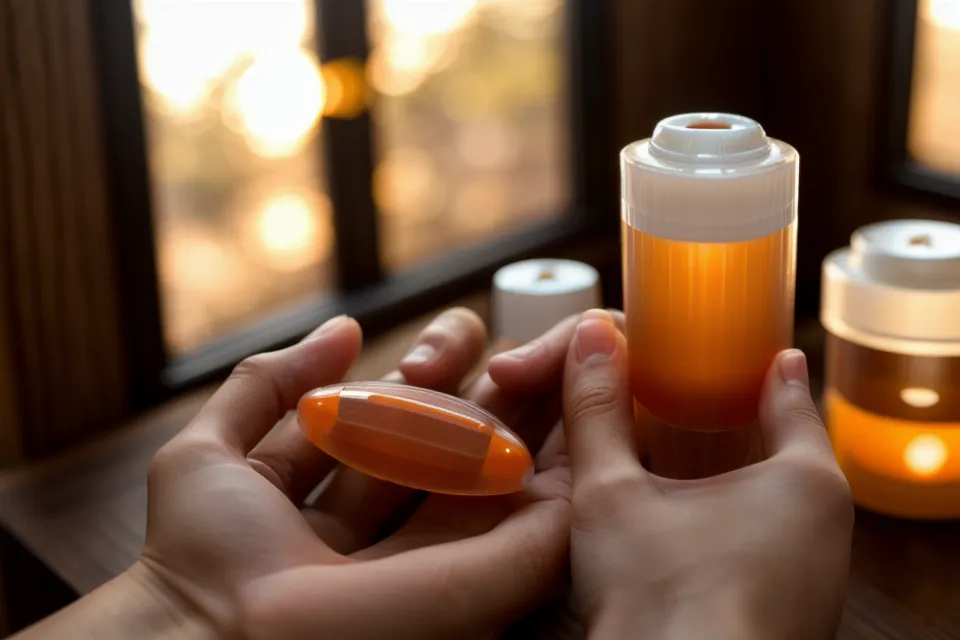
A 60-day money-back guarantee made VisiFlora a low-risk trial to begin with, which matters with any tool, software or supplement. For managing the specific grind of professional screen work, VisiFlora is the one that stays at the top of the list; for anyone on a tighter budget who wants the most ingredients per bottle, TheyaVue is still a reasonable alternative, even if the streamlined gut-eye formula is the one that actually stuck.
The pattern that generalizes past my own eyes: consistency beat intensity every time in this experiment. A single capsule at the same time every day moved the needle further than any aggressive, multi-ingredient stack taken sporadically ever did. It's the same lesson that applies to shipping small, reliable commits instead of one heroic release at the end of a sprint.
VisiFlora
Pros
- ✔ Targets the unique gut-eye health connection
- ✔ Generous 60-day money-back guarantee
- ✔ Simple one-capsule daily dose is easy to maintain
- ✔ Noticeable reduction in late-afternoon temple rubbing
Cons
- ○ Only available for purchase on the official website
- ○ Premium positioning compared to generic store brands