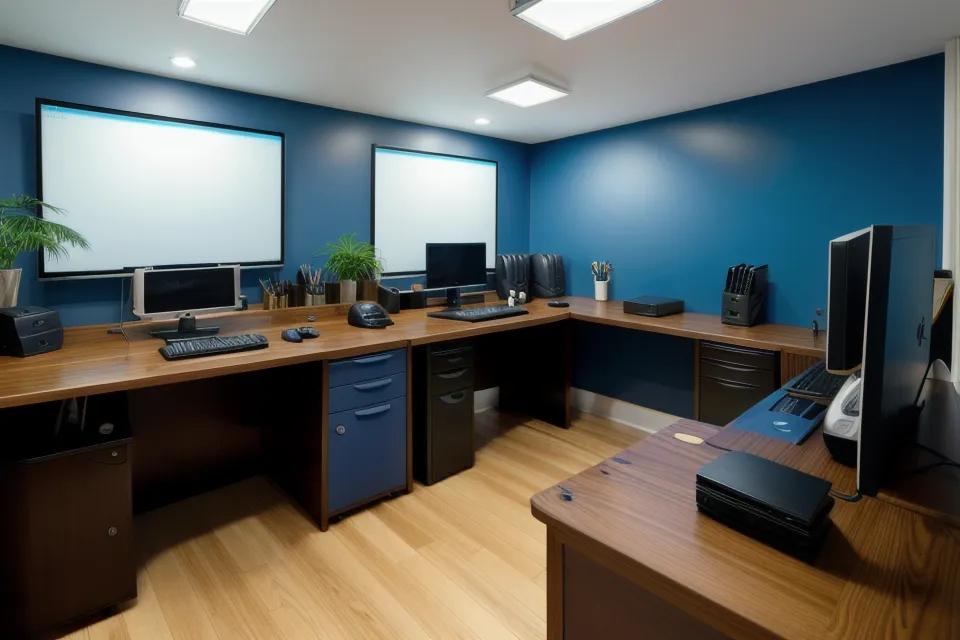
My right eye blurs text on the center monitor a solid twenty minutes before my left eye does — I've actually clocked it with a kitchen timer, out of boredom, on a slow afternoon. That gap is as reliable a measurement as anything else I track, and it's the reason I started treating my own eyes like a system to debug instead of a body part I was just stuck with. Three monitors and a freelance web development practice built entirely around them turned into a stretch of afternoons where the screen reliably stopped cooperating around the same hour — the short version of what people mean when they say digital eye strain. This is the long version: what I actually tested, what counted as a real supplement review in my case, and whether any of it was worth the trouble, laid out as answers to the questions people actually ask me instead of a day-by-day diary.
I'll say the obvious part up front: I'm not a doctor, an optometrist, or anything close to a health professional. I'm a developer who stares at screens for a living and got tired of my eyes picking up the tab. This site runs on affiliate links, meaning if you buy something through one of them, I get a commission and you pay the same price either way. Everything here comes from supplements I've actually bought and tracked myself — not anything I was sent to promote — but your own eye doctor should still have the final say before you add any of this to your routine, since your setup might be running on different hardware than mine.
Do Blue Light Glasses Actually Fix Digital Eye Strain?
Short answer: not on their own. I bought a pair with an amber-tinted coating early into this, expecting them to patch the problem the way a cache clears up a slow page load. They didn't. The ache that shows up by mid-afternoon on a three-monitor desk runs deeper than anything a lens coating touches, closer to a resource leak than a rendering bug, something that keeps eating cycles no matter how many settings you tweak around it. Computer vision syndrome is the formal name for the cluster of symptoms, and reading the actual definition didn't change much about how my afternoons felt.
My friend Griffin Llewellyn — a backend developer who somehow always has the next piece of ergonomic gear before anyone else I know has even heard of it — had already moved past blue light lenses entirely by the time I got mine, onto some screen filter I hadn't even seen for sale yet. Watching him cycle through hardware fixes faster than I could evaluate the first one told me the glasses weren't a dead end so much as a plateau: useful enough to keep around, not enough to solve the afternoon wall on their own.
The Three Supplements That Made the Cut
Before any of the three products below, there was a bottle of Nature Made Eye Health gummies sitting on my desk, taken every morning like a vitamin instead of a variable I was actually testing, for about two months straight. Nothing changed. No shift in the afternoon ache, no difference in how fast my eyes gave out during a long pull request review. Just a chewable multivitamin doing what a placebo does, which is nothing measurable. That became the baseline I compared everything else against.
TheyaVue came next, mostly because the ingredient list was enormous, two dozen things crammed into one formula, lutein and zeaxanthin included, in whatever ratio the label decided on without explaining why. I won't pretend to have audited every ingredient on that list against what the research says about each one. That's its own project, and not one I'm qualified to run. Swallowing several capsules a day to find out started to feel like bloated code, more inputs than the output could justify, and after a while I stopped noticing any real difference in that mid-afternoon blur, even though it was the cheapest option I tried and a reasonable place to dip a toe into the category.
iGenics was the more focused option, twelve ingredients instead of two dozen, and a bigger reputation attached to the brand, which showed up in how many other people online had opinions about it. The capsules were noticeably larger, to the point that I dreaded the morning dose the way I dread opening a dependency with a changelog I haven't read yet. Change showed up slower with this one; I gave it a real runway before judging it, and by the end of that stretch my IDE's white space was still doing that faint vibrating thing by late afternoon that tells me my focus is going. If you're sensitive to capsule size, that's the one thing about iGenics worth knowing before you order it. The full methodology behind how I kept all of this consistent is over in How I Tracked Seven Eye Supplements to Save My Vision from Three-Monitor Burnout, if you want the process instead of the summary.
The Gut-Eye Connection, Tested From a Desk Chair
By the time I'd cycled through two supplements without a clear win, I was ready to call the whole category a wash. Then I ran into the idea that eye health and gut health might be more connected than they look, which sounded like a strange architectural choice for a body until I remembered how often a frontend bug turns out to be a backend problem wearing a disguise. That's what led me to VisiFlora, which builds its whole pitch around that connection instead of just stacking more eye-specific ingredients into one capsule.
One capsule a day, taken with coffee, replaced whatever multi-pill routine I'd been juggling before. For someone who'd already hit capsule fatigue twice, that alone counted as a win before I noticed any physical difference. The difference showed up somewhere I didn't expect: in the bathroom mirror, not on any chart I was keeping. The whites of my eyes just weren't as pink as they'd looked earlier that week, and I only caught it because I happened to glance up mid-brushing instead of rushing past the mirror like usual.
Telling Real Progress From Wishful Thinking
People ask me this more than anything else: how do you actually know a supplement is doing something, instead of just wanting it to? I don't trust a single good day. Sorting out real progress from a lucky afternoon is the same problem as figuring out whether a code fix actually resolved a bug or just got lucky on one test run. What I trust is a pattern holding up across a run of rough deadline days, when I'd expect the ache to show up anyway and it doesn't. VisiFlora cleared that bar for me. Stacking a sixty-day money-back window on top of it meant I wasn't locked into a bad bet if it hadn't, which made the whole test lower-stakes than it could have been. There's a longer breakdown of that comparison in Beyond Blue Light Glasses: What Over a Year of Eye Supplement Testing Taught This Developer, if the short version here isn't enough detail.
Joaquin Vogt, a graphic designer I know from a co-working space in East Austin, took the opposite approach. He bought every supplement I mentioned within days of me mentioning it, without waiting to see whether my own results held up. His screen hours run even longer than mine, color-critical design work instead of code, and an afternoon crash shows up for him on almost the same schedule mine does. I get why the impatience happens. I just don't recommend copying someone else's results instead of running your own comparison, because his eyes, his monitor calibration, and his afternoon crash aren't running the exact same configuration as mine.
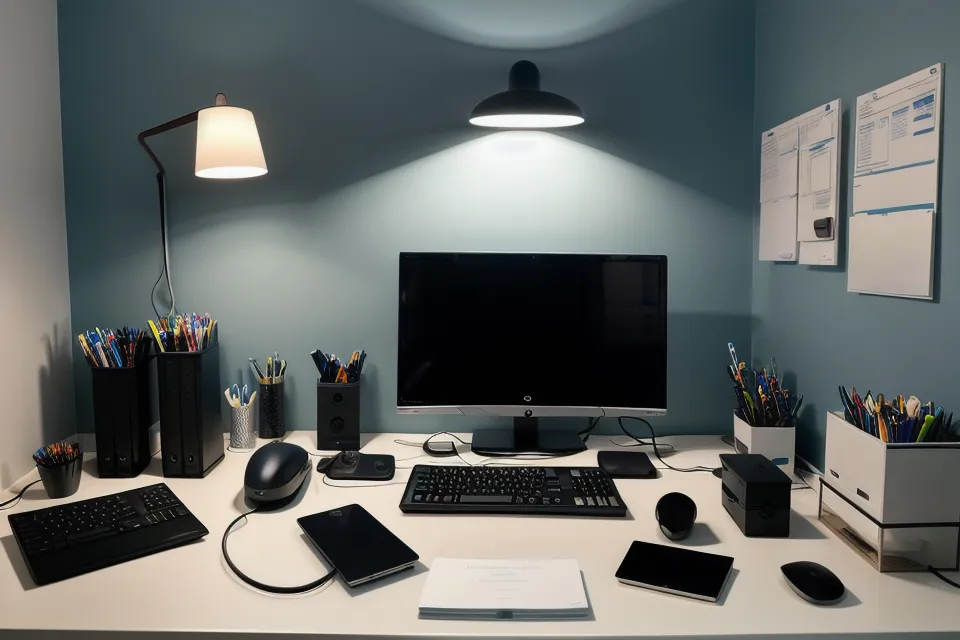
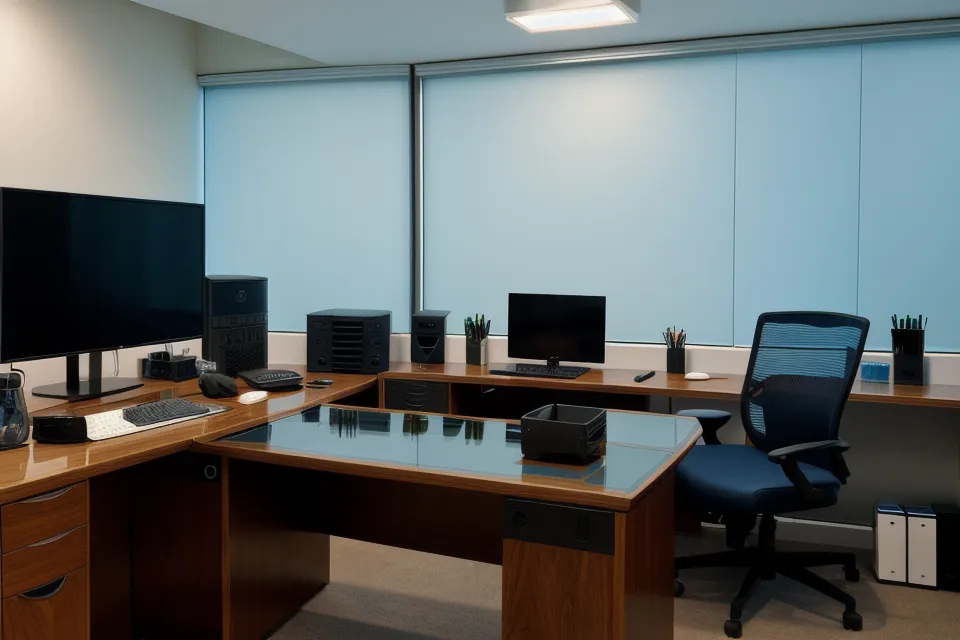
Setup matters here too, though it's easy to overrate. My desk is a long U-shaped stretch across two walls of what used to be a spare bedroom, three monitors fanned into a shallow arc instead of lined up flat, with a strip of warm-toned light clipped in behind the center screen and the shades pulled most of the way down once the sun gets high enough to hit the glass directly. None of that replaced what I was testing internally. It just meant the baseline ache started a little later in the day, which made it easier to tell whether a supplement was doing anything or whether I'd just rearranged the furniture. The 20-20-20 rule gets recommended constantly, and it's fine as a baseline reminder, but it's a different kind of fix than any of this, more a nudge to blink and look somewhere else than something that ever showed up as a real shift in a fatigue score.
What About Drops, Glare, Floaters, and Twitching?
A few other questions come up often enough to answer directly instead of burying them in a longer section. Eye drops help in the moment, but reaching for them constantly started to feel like restarting a server instead of fixing the code that keeps crashing it, so I stopped treating them as the main fix. Dryness and fatigue get talked about like the same thing, but they didn't move together for me. My eyes could feel tired without feeling dry, and treating both the same way wasted time figuring out which one I was actually dealing with. Glare off the monitors turned out to be a separate issue from fatigue entirely; repositioning away from the window did more for that than any capsule did.
Floaters came up once, from a reader who assumed they were just an advanced stage of the same screen fatigue. They're not the same thing in my experience, and that one felt worth an actual eye exam rather than a supplement swap. Eyelid twitching is another one people lump in with fatigue; mine happened on separate days from my worst fatigue scores, which made me suspect it runs on its own trigger rather than being the same problem wearing a different symptom. Night driving got harder somewhere along the way too, a different enough complaint from daytime screen fatigue that I stopped expecting one supplement stack to fix both at once. Food came up too. Someone asked if I'd just tried eating better before spending money on any of this, and the honest answer is my diet was already decent and the afternoon crash still showed up anyway, so food-first advice wasn't wrong, just incomplete for my specific case. I also ran astaxanthin on its own for a stretch, separate from the three products above, mostly to see if it eased the fatigue from refocusing between three screens all day rather than any dryness. Rotating one thing at a time instead of stacking everything together was the only way to tell which change actually came from what. And instead of trusting my own sense of "better," I tested it once away from any screen entirely: twenty minutes flipping through paperbacks at BookPeople on North Lamar, just to see how much faster my eyes recovered off the page compared to my desk. They did recover faster off-screen, which at least confirmed the screens themselves were the bigger variable, not the lighting in my office.
Start With the Budget Option If You're Not Sure
If you're trying to decide where to start, here's the direct version instead of a long disclaimer. VisiFlora gave me the most consistent results of anything on this list, though it's not sold anywhere but their own site and it sits at the higher end of what I tested. The one-capsule routine is a big part of why I actually stuck with it long enough to find that out. If that gives you pause, TheyaVue is the reasonable place to start testing the category without committing much, even though it's a smaller name with fewer outside reviews to lean on and it didn't move the needle much for me personally. iGenics is worth a look if you want a more established brand and a more traditional ingredient stack, as long as you don't mind a bigger capsule and some extra patience, since any change with that one took longer to show up in my own tracking than it did with the other two.
None of this fixes the actual cause, which is that I chose a career that pays me to stare at glowing rectangles for a living, and the irony of nearly wrecking my eyes while building things other people look at on their own screens isn't lost on me. What changed is that I stopped treating my eyes like a background process I could ignore until it crashed, and started treating the whole setup — supplements, desk, breaks, the works — as one system worth maintaining on purpose. For the earlier version of this story, back when blue light glasses were still my whole strategy, there's more detail in My Tracking Notes: Why Blue Light Glasses Weren't Enough for My Three-Monitor Setup.