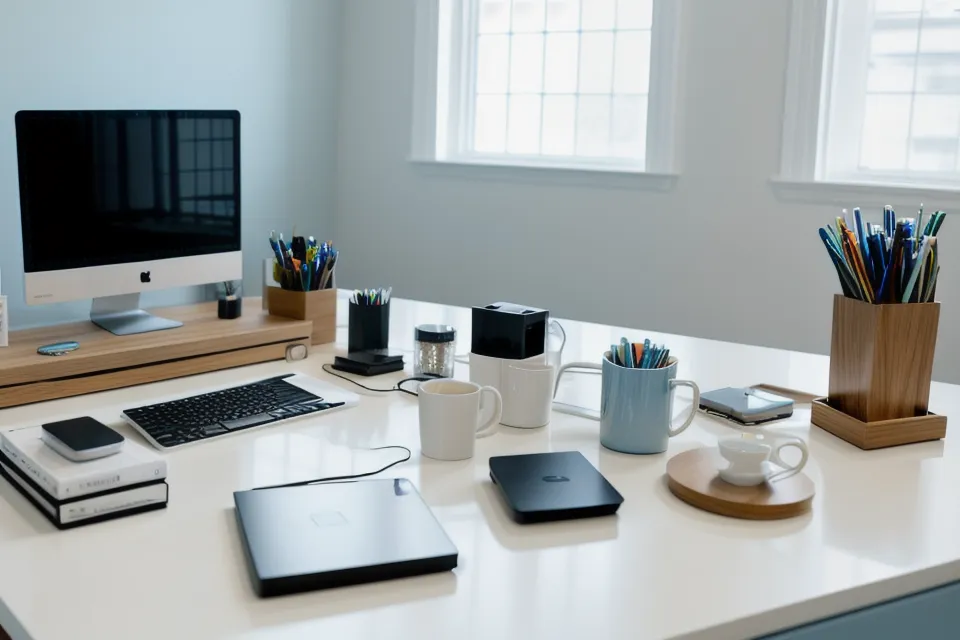
My blue light glasses have not left their case in a long while, and the mid-afternoon ache that used to show up on schedule is gone anyway. Somewhere between filtering blue light and testing supplements against my own tracking sheet, I learned the two aren't solving the same problem, and treating digital eye strain like a single bug with one patch is where most advice about developer eye health goes wrong. This is the actual process I use now for eye fatigue relief, not a diary of how I felt about it, which is a strange thing to obsess over for someone whose entire career depends on staring at more screens, not fewer.
Quick disclosure before anything else: a couple of the links below are affiliate links, and if you buy through them I earn a small commission at no extra cost to you. I only recommend products I've actually logged on my own tracking sheet, and none of this is medical advice; I'm a developer, not an eye doctor, so check with a real one before you change your routine based on a blog post.
Ruling Out the Easy Digital Eye Strain Fixes First
Cutting screen time to eight hours on weekdays was the first thing I tried, back when I still assumed this was a discipline problem rather than a system problem. It didn't move the needle. The headache still showed up, just an hour later than before, which told me the issue wasn't total exposure so much as something about how I was using that exposure. Blue light glasses were the second obvious fix, and they helped with glare under harsh overhead lighting, but the fatigue by late afternoon barely budged. An optometrist eventually put a name on the general pattern: Digital Eye Strain, though the label didn't tell me what to actually change.
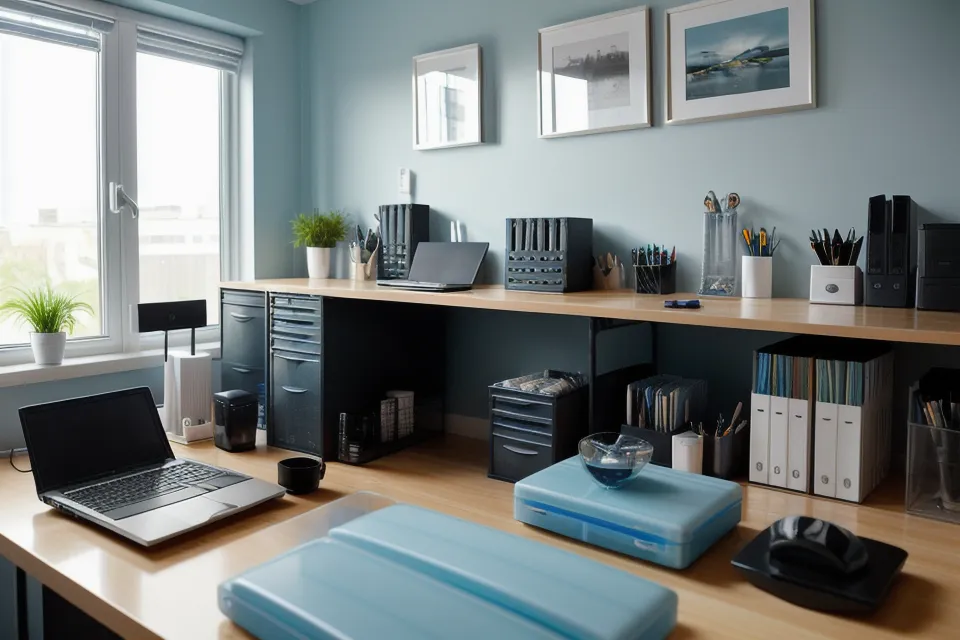
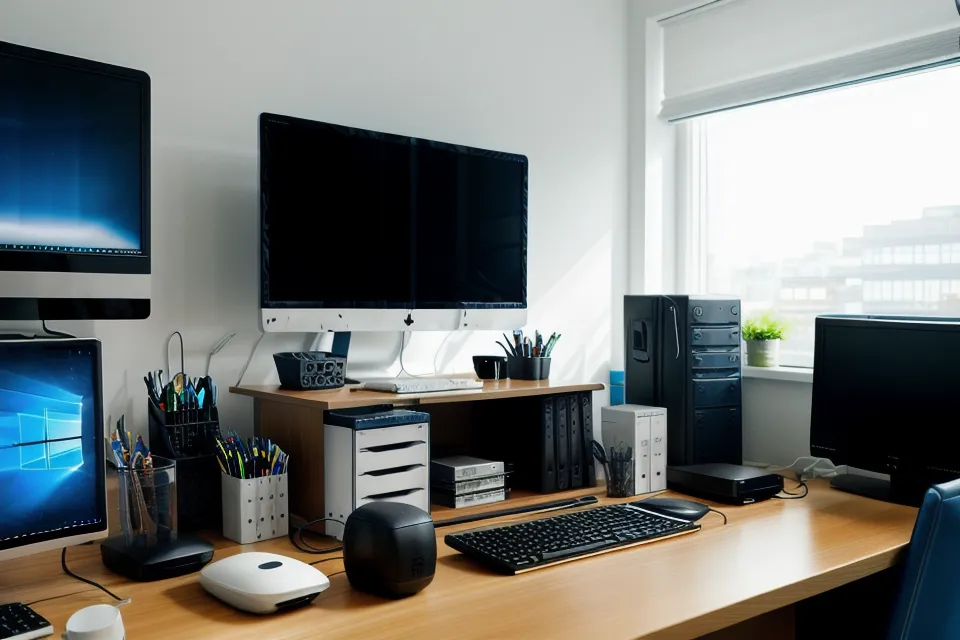
Desk setup came next, since getting the baseline right (monitor height, distance, glare angle) is worth fixing before spending money on anything else, and I'd already gone through that pass early on. My own setup is a standing desk that wraps around two walls with three monitors curved slightly toward me, and swapping in amber-toned lighting behind the middle screen did more for end-of-day comfort than anything I bought afterward. The 20-20-20 rule (look at something 20 feet away for 20 seconds every 20 minutes) helped a little, but it's a maintenance habit, not a fix for a system that's already run down. A longer break, like an actual walk around the Mueller Lake Park loop instead of a glance across the room, resets things more than any timer ever did, though that's a bigger interruption than most workdays actually allow.
What Counts as a Fair Supplement Test?
Most eye-health content treats every screen user the same, which is where a healthy dose of skepticism toward supplement claims earns its keep. A claim that sounds reasonable on a product page still has to survive contact with your own actual pattern before it means anything. My version of a fair test comes down to changing one variable at a time and giving each product enough runway before judging it, rather than switching too soon.
There's a real difference between the ache that means your eyes are tired and the grit that means they're dry, and mixing the two up sends you chasing the wrong fix for no good reason.
I only nailed the distinction during a run that stretched past six hours straight, when I noticed afterward that the drops I keep nearby hadn't been touched once — the problem wasn't dryness at all, just plain fatigue that no drop touches.
Two Different Levers: Filtering Light vs Feeding the System
Filtering the light coming in and actually rebuilding what a screen depletes are two different levers, not two versions of the same fix, and conflating them is why so many people give up on glasses and assume nothing else will work either. Glasses, a warmer color profile, dimmer overhead lighting — that side deals with glare and glare-driven strain. It does nothing for the raw materials your eyes work through every day at a screen. That second problem is closer to a supply question, and I've written elsewhere about the specific lutein and zeaxanthin ratios worth paying attention to, so I'll skip the exact numbers here and stick to the bigger picture.
Reading a label matters more than most people give it credit for. Priska Mwenda, a reader who works remote out of Minneapolis and emailed me a while back after finding one of my posts, won't try anything unless the full ingredient list is posted somewhere she can actually read it, not just a proprietary blend disclaimer. That's become my own screening rule too, and it cuts the shortlist down fast.
VisiFlora and iGenics Landed in Different Spots
VisiFlora is the one I keep coming back to on my own tracking sheet, mostly because of the gut-eye framing rather than a pure eye-support angle — it's a single daily capsule, which fits how little patience I have for a multi-pill routine, and the 60-day guarantee made it a low-risk way to actually find out instead of guessing from a label. VisiFlora is only sold on the official site and sits at a premium price point, which is worth knowing going in. iGenics took me longer to notice any shift with, but it's a reasonable option if you'd rather have a broader spread of ingredients working at once — its 12-ingredient blend and the brand's track record are the main draw, even though the capsule itself is bigger than I'd like. iGenics is the one I point people toward when the single-ingredient framing behind VisiFlora doesn't match what they're looking for.
How much of anything you actually absorb depends partly on timing relative to food, which is a detail people skip past fast, so I stopped taking mine on an empty stomach once I noticed the pattern. Soren Tabata, a freelancer I only know from a Slack channel for independent contractors, runs a version of this same tracking exercise with even more columns than my sheet has, and comparing notes with him is the closest thing I have to a second opinion. Rotating off a product periodically instead of running the same bottle indefinitely is something he does more rigorously than I do, and it's on my list to actually formalize instead of doing it by feel.
The Decision Rule Behind My Eye Fatigue Relief Routine
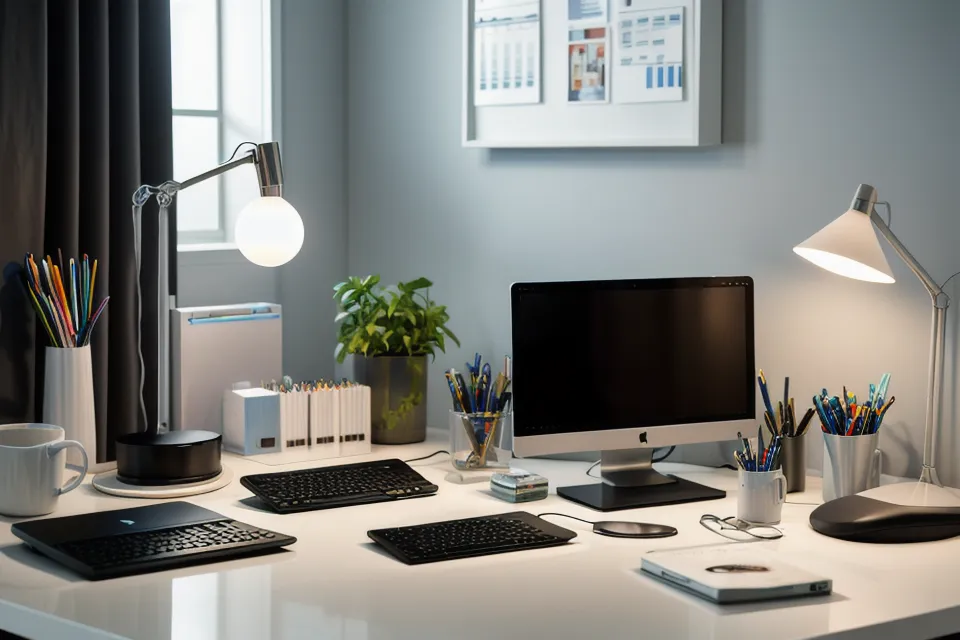
None of this replaces an actual eye exam, and I've said as much before in decoding digital eye strain — a supplement doesn't fix a prescription problem, and a warmer monitor profile doesn't fix a structural one. My actual rule is simple: fix the workspace first, separate dryness from fatigue before buying anything, then treat any supplement as a controlled test instead of a hope. If the ache disappears once the desk and the light are sorted, stop there. If it doesn't, that's when something like VisiFlora earns a real trial instead of a guess.