Six hours into a sprint, and the bottle of eye drops in my desk drawer hadn't moved once — not because my eyes felt great, but because at some point I'd quietly given up on them. That's the number that got my attention: zero reaches for the one tool I used to depend on every day. If you're a web developer staring down three monitors and wondering whether blue light glasses alone can fix digital eye strain, this is the long answer I wish someone had handed me before I spent a year testing vision support supplements to find out.
Quick disclosure before the questions start: some of the links below are affiliate links, and I earn a commission if you buy through them, at no extra cost to you. I'm not a doctor, an optometrist, or anything close to a health professional — just a freelance developer in Austin who got tired of his eyes losing the afternoon shift. Everything here comes from personal testing and tracking, not clinical research, so treat it as one guy's spreadsheet, not medical advice.
Why Didn't Blue Light Glasses Fix the 3pm Crash?
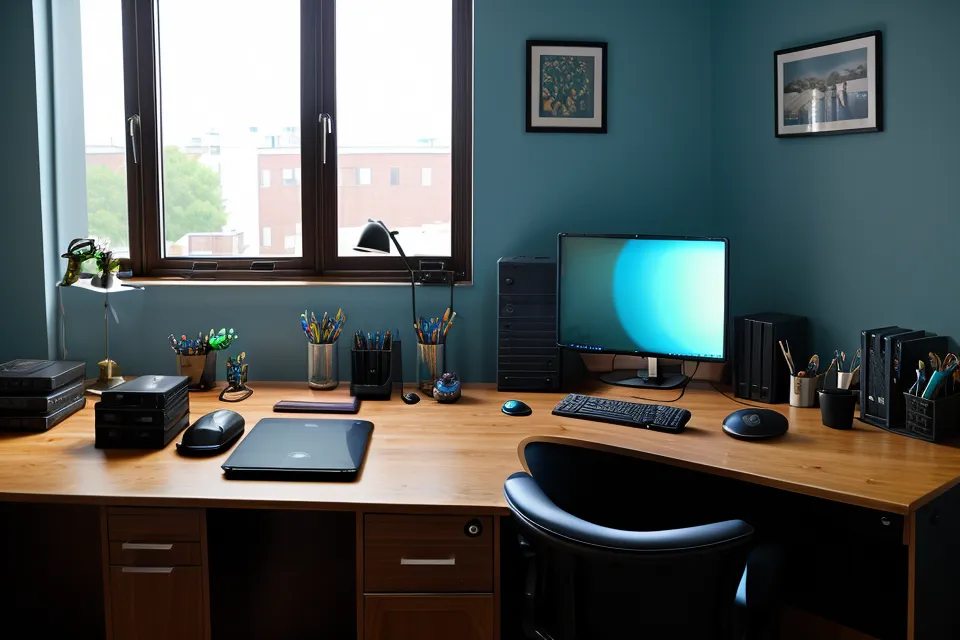
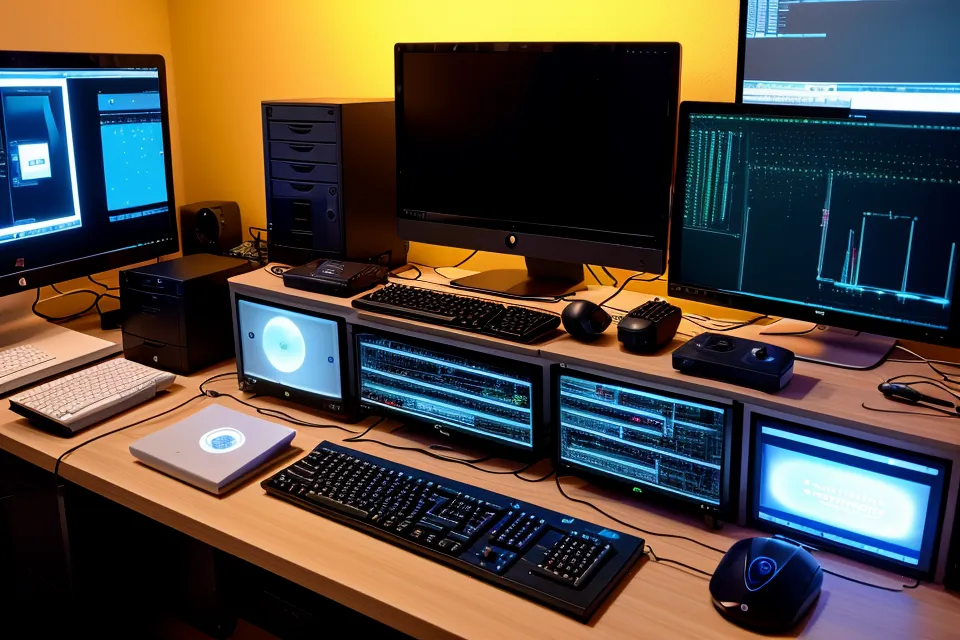
Blue light glasses were the obvious first move, so that's where I started. After three years of fully remote work, my eyes felt like a laptop running on battery saver by mid-afternoon, and an eye exam confirmed what I already suspected — digital eye strain, courtesy of the three-monitor arc I'd built into a spare bedroom. The desk spans two walls in a U, the monitors sit in a shallow curve so I'm not twisting my neck all day, and I keep the room lit with warm, low light instead of overhead fluorescents, which helps more than people expect. None of that stopped the glasses from feeling like half a fix.
They're built to cut the peak blue light wavelength around 450 nanometers — the high-energy slice of the spectrum screens throw at you all day — and the glare genuinely dropped. But the ache behind my eyes by 3pm didn't care about glare. It felt less like a lighting problem and more like a focusing-muscle problem, the kind of fatigue you get from your eyes making thousands of tiny adjustments between three screens sitting at different distances. Blue light mitigation handles the light. It was never going to touch whatever was making my focusing muscles tired by lunch.
The Multivitamin From the Drugstore That Changed Nothing
A generic multivitamin was my next move — the kind with an eye support claim on the front label that you grab off a CVS shelf without reading the ingredient list. It did roughly nothing. My 3pm fog showed up on schedule whether I remembered to take it that morning or forgot entirely, and I couldn't find any real difference on my own tracking between the days I took it and the days I skipped it.
That's the kind of null result that's easy to miss if you're not logging anything — you just decide supplements in general don't work and move on with your life. A daily fatigue score is what made the multivitamin's flat line obvious. Stepping away from the three monitors did more for my afternoon ache than that bottle ever did — a walk out past the kite meadow at Zilker Park on a lunch break outperformed a supplement, which tells you something about how low the bar was.
Does Ingredient Count Actually Decide a Good Vision Support Supplement?
Once the multivitamin struck out, I built an actual spreadsheet — strain score, time of day, which pill, how I felt by 5pm. I write more about that process in my developer guide to eye tracking, but the short version is that I moved from the highest ingredient count I could find to a more established, narrower formula, just to see whether "more" translated to "better."
TheyaVue was the ingredient-count experiment — a 24-ingredient formula that reads like a dependency list with everything installed whether you need it or not. It's a reasonable entry point if you're testing the waters and don't want to commit to a premium price, and I noticed my 3pm headaches softened slightly. Slightly. Not gone.
iGenics went the other direction — a leaner, 12-ingredient formula from a more established brand, and I liked the logic of a narrower, more targeted list over a kitchen-sink one. Mornings felt a bit more consistent, though the capsule size was bigger than I'd like for a daily habit. I compared the two side by side in more detail in my notes on fixing screen fatigue after years of development, and neither one closed the gap completely on its own. That side-by-side test doubled as my first real lesson in supplement cycling — swapping formulas on a schedule instead of stacking several at once — though that's worth its own deep dive elsewhere.
What I took away from both: ingredient count is a vanity metric if you're not tracking absorption and consistency. It's the supplement equivalent of judging a library by its number of dependencies instead of whether it actually fixes your bug. A 24-ingredient label looks more impressive in a listing than a 12-ingredient one, but neither beat a boring daily habit I actually stuck with. If you're choosing between a loaded formula and a focused one, pick the one you'll actually take every single day without skipping — that decision matters more than the number on the label.

The Gut-Eye Angle Nobody Mentioned Up Front
VisiFlora was the one that actually moved my numbers, and it came from an angle I hadn't tracked before. Instead of another antioxidant like Lutein, it leans on the gut-eye connection — I won't pretend to know the full mechanism, and how much of any capsule your body actually absorbs versus just digests is its own question I track separately, so here I'll just log what changed for me. It's also worth separating that afternoon fog from plain dry eye, since the two get lumped together constantly and they're not the same complaint — a distinction that deserves its own full breakdown rather than a footnote here.
A single daily capsule outperformed my multi-pill stacks during heavy sprint weeks, which surprised me — fewer variables, easier to stick with, less chance I'd skip a dose because I was juggling three different bottles. The mid-afternoon fog started staying clearer, and I stopped treating my blue light glasses like a crutch I needed every hour. I was finishing long dev days without the pepper-sprayed feeling I'd gotten used to.
The honest downsides: it's sold only through the official site, and it sits at a premium price point rather than the budget end of the shelf. There's a 60-day money-back guarantee attached, which took some of the risk out of committing to a premium bottle, and for the drop in afternoon fog and the fact that I actually remembered to take it daily, the trade-off worked for me — though "worked for me" is doing a lot of personal-tolerance lifting in that sentence, and yours may genuinely differ.
Is This Just a Developer Problem, or Does Everyone's Afternoon Fall Apart?
Joaquin Vogt answered that question for me without meaning to. He's a graphic designer I met at a drop-in co-working space in East Austin, and he logs more daily screen hours than I do on color-critical design work — yet he described a 3pm crash nearly identical to mine, with one twist I hadn't considered.
He's far more sensitive to monitor color temperature than I am. A slightly wrong white-point setting visibly wrecks his afternoon in a way it never touched mine, which tells you the glare-and-color piece of this isn't universal — it's personal, and it's worth checking your own display settings before you assume a supplement is the whole fix. Reducing glare and getting a sane baseline across a multi-monitor setup is its own project, one I'd point you toward rather than rehash here.
My Most Skeptical Friend Still Isn't Convinced, and That's Fair
Griffin Llewellyn, a friend since a JavaScript Austin meetup years back, is the person who keeps me honest about all of this. He's a backend developer who now works remote for a fintech company based in Denver, and he refuses to accept a health claim without a peer-reviewed source attached — which, for a niche this thin on research, is a genuinely hard bar to clear.
He's not wrong to push back. That's the clinical-evidence-skepticism question in a nutshell, and it deserves a longer answer than I can give in one paragraph. A lot of this space runs on testimonials, not trials, and I track my own experience, not a controlled study. What I tell Griffin: I'm not claiming the gut-eye angle is proven science, I'm reporting what my own fatigue log looked like before and after, which is a much smaller claim than "this works." If you want peer-reviewed certainty, you won't get it from my spreadsheet, and I'd rather say that upfront than oversell it.
What Changed by the End of the Day, Not the Morning
The real test for me was never the morning — it's whether I still want to do anything once I close the laptop. The honest answer used to be no; by early evening I wanted a dark room, not a walk. That's different now. I can finish a long stretch at the keyboard, feel the sit-stand desk's motor stick for a second before it finally rises — three hours glued to the chair always makes it fight back a little — and actually want to go outside instead of lying down, which, for a guy who still eats lunch at his desk most days, counts as personal growth. That shift, not any single number on a label, is the result I actually trust.
So Should You Start With Glasses or Supplements?
Both, honestly, but not for the same job. Blue light glasses are the quick patch — they cut glare and the immediate sting from staring at a screen, and if you don't own a pair yet, get one before you do anything else. They just won't touch whatever's making your focusing muscles tired by mid-afternoon, which in my case needed a different kind of support entirely.
If you're choosing a first vision support supplement to test, start with whichever one you'll actually remember to take every day — that single factor beat ingredient count, brand reputation, and price point in my own log, in that order. For me, that ended up being VisiFlora, mostly because a one-capsule routine was the only one that survived contact with an actual sprint week. Check the comparison below, read the pros and cons honestly, and talk to your own eye doctor before you commit to anything — my spreadsheet isn't a substitute for an actual exam, just a record of what one developer's eyes did over a long stretch of screen time.
| Product | Rating | |
|---|---|---|
| VisiFlora Top Pick | 9.4 | Read More → |
| iGenics | 8.7 | Read More → |
| TheyaVue | 8.1 | Read More → |
VisiFlora
Pros
- ✔ Targets the unique gut-eye health connection
- ✔ Single capsule daily dose is incredibly easy to track
- ✔ Noticeable reduction in mid-afternoon visual fog
- ✔ Solid 60-day money-back guarantee for peace of mind
Cons
- ○ Only available for purchase through the official site
- ○ Positioned as a premium-priced option