A lifted pickup's LED bar fills my mirror before I can look away, and the sting hits half a second later — the kind of glare that turns three lanes of night traffic into a single white smear. Eye fatigue used to be a daytime problem for me, something that showed up around a code review and faded by dinner. This was full-on night vision failure: the road gone soft at the edges, a purple afterimage hanging where the lane line should be until my eyes caught up.
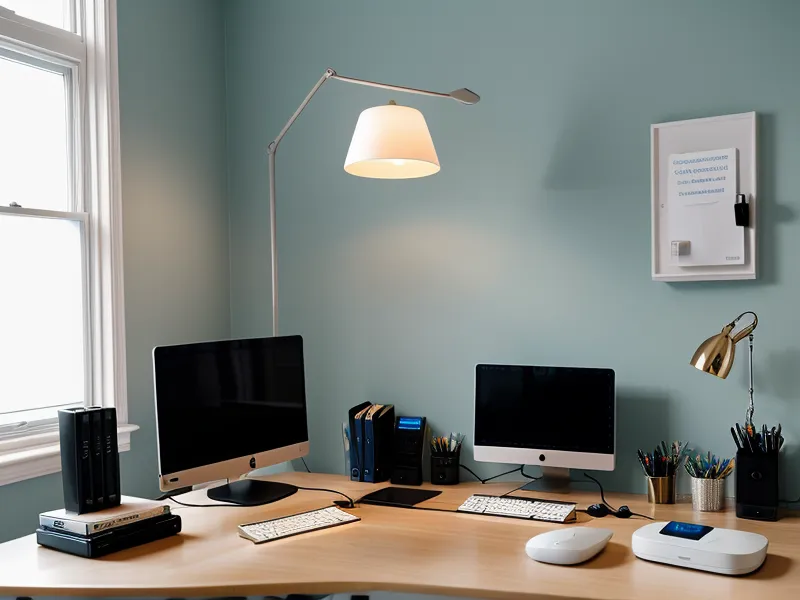
Three years of remote work turned my desk into a three-monitor cave, and somewhere in there my eyes started keeping score without me noticing. Headaches around 3 PM, a permanent grittiness by evening — none of it surprised my optometrist. What did surprise him was that my prescription hadn't moved. Twenty-twenty vision, he said, and then he asked how my night driving had been lately, which is not a question I expected.
My Eyes Tested Fine—But Night Vision Failed
He didn't reach for a new lens prescription. Instead he flagged something a standard chart doesn't really test: contrast sensitivity and how fast my eyes recover after a flash of glare. That's a different kind of problem than blurry text on a monitor — closer to a system that technically passes its unit tests but chokes under load. I left the appointment with a diagnosis that wasn't especially actionable and a vague nudge to "watch what I put in my body," which is the kind of advice that sends a data-obsessed programmer straight into a research spiral.
Lutein and zeaxanthin kept coming up in every forum thread and supplement label I read, and I've since written up the actual ratio math elsewhere for anyone who wants the spreadsheet version — here it's enough to say I added a carotenoid supplement to the rotation and kept tracking the same fatigue numbers I track for everything else.
Fourteen Months, Seven Supplements, and the Gummy Bottle That Did Nothing
Seven supplements over fourteen months sounds excessive, until you realize most of that time was just waiting. My tracking method is the same spreadsheet-and-daily-rating system I use for every experiment on this site, and it's the only reason I can say with any confidence that the Nature Made Eye Health gummies I took every day for two months did nothing measurable — same fatigue scores, same 3 PM wall, same night-driving squint. A friend from a co-working space, Joaquin Vogt, was running a near-identical crash on his own color-critical design work, and he started texting me his fatigue ratings every week without me asking, which turned into an unplanned second data set.
Blue light glasses came up constantly in the same research, and honestly I go back and forth on whether they do anything beyond making my monitors look slightly amber. What actually would've saved me time is a single clean reference for what's in each bottle instead of piecing it together from ingredient panels and forum threads, something I ended up building for myself later. My optometrist, for what it's worth, is openly skeptical that any of this moves the needle in a way a clinical trial would recognize — he's not wrong to be cautious, but I track my own numbers regardless.
Around Week Eight, the Drops Stayed in the Drawer
Somewhere around week eight I noticed I'd gone through an entire six-hour sprint without reaching for eye drops, and I only clocked it because I looked up and realized the bottle in my desk drawer hadn't moved all day. That's a different signal than the dry, gritty midday feeling I used to chase with drops, which I've since learned is really its own separate problem from the fatigue itself. A 20-20-20 break here and there never fixed either one on its own, and neither did rearranging my monitor angles, though both probably kept things from getting worse. When I mentioned the eye-drop thing to Griffin Llewellyn, a developer friend who's heard every iteration of my fatigue spreadsheet, he asked if I was sure I wasn't just cherry-picking a good week — a fair question, and part of why I kept tracking instead of declaring victory.
Testing It on the Drive Home from BookPeople
The real test came on a rainy night leaving BookPeople on North Lamar, the exact kind of drive that used to wreck me — wet asphalt, headlights doubling in the puddles, that starburst effect around every traffic light. This time the starbursts stayed tighter, the light didn't bleed as far past the bulb, and I could actually tell a dark grey car from the wet road instead of guessing. My jaw didn't ache from squinting, and I wasn't riding the brake the whole way home. One supplement in that seven-bottle rotation had actually made things worse in a way that felt digestive rather than visual, and I'd ended up returning it — a reminder that what's on the label doesn't always match what your body does with it.
What Changed, and What I'd Tell Any Remote Developer
My prescription never changed through any of this, which is easy to forget when the actual experience of driving at night is so different now. The lesson I keep coming back to, and the one thing I'd tell any other remote developer staring down a similar 3 PM wall, is that a single fix rarely does the whole job. It's the combination of tracking, ruling out what doesn't work, and giving whatever's left enough time to actually show up in the data. I wrote more about the daytime side of this in 8 Hours of Blue Light is My Daily Debugging Routine—Here's How I Fixed My Eye Fatigue, and the supplement results that got me here are in Best Eye Supplements for Digital Eye Strain: My Austin Office Results. Night driving was just the test I didn't know I was running until it started passing.