Seven Bottles Later: What Actually Counts as Supplement Testing
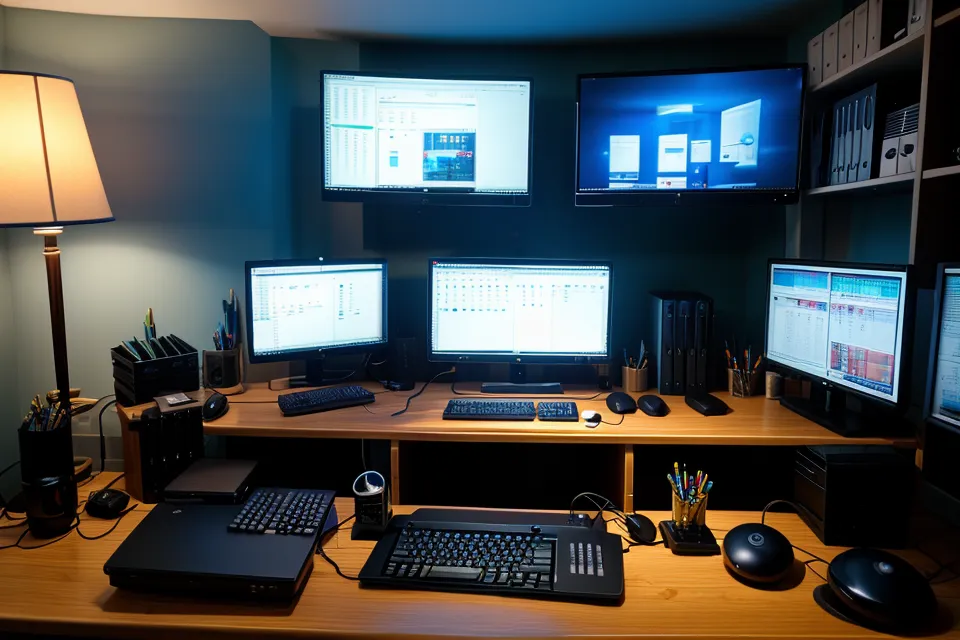
Seven supplement bottles are lined up on the corner of my desk, most of them down to the last few capsules. Between them and my optometrist's diagnosis (digital eye strain, the catch-all term for the mid-afternoon ache that shows up after too many hours staring at three monitors) sits well over a year of a supplement-testing habit that turned into something closer to a system audit than a wellness routine. Basic eye health isn't complicated in theory. In practice, chasing it turned remote-work wellness into its own side project, one that took longer to sort out than most of the software I get paid to write, which says more about my relationship with screens than I'd like it to.
Running seven different formulas across fourteen months only works if you're strict about what changes between rounds. Isolating one variable at a time — never letting the supplement, the work schedule, and the screen setup shift together — is covered in more detail in a separate breakdown of the testing method itself. The short version has to be enough here: switch one thing, wait, write down what happened, then switch the next thing. Everything else about cycling supplements grows out of that one rule.
Why Cycle Instead of Picking One and Sticking With It?
Picking a single eye supplement and taking it indefinitely is the equivalent of shipping a feature and never checking the logs again. Some formulas that felt promising in the first month plateaued hard by the third; the ache came back, just quieter, and there was no way to know if that was tolerance, a bad batch, or old screen habits creeping back in. Cycling solves a different problem than most people assume. It isn't about resetting anything inside the body; there's no way to measure that, and I'm not going to pretend otherwise. It's about generating enough comparison points to tell a real effect apart from a placebo effect apart from an ordinary good day.
A friend of mine plays drums in a local cover band most weekends, and he's borderline obsessive about protecting his hearing — custom-molded earplugs, a hard rule about how close he stands to the monitor wedges, a running log of which venues wreck his ears worst. That struck me as excessive until I noticed I'd built the same system for my eyes, just with a spreadsheet instead of foam plugs and capsules instead of decibels.
The Damp Cloth Didn't Work, and Neither Did Guessing
Before any of the cycling logic existed, the first fix was the obvious low-tech one: a cold, damp cloth pressed over closed eyes during lunch, five or ten minutes at a stretch, hoping it would reset something. It didn't. The relief lasted about as long as the cloth stayed cold, and the ache was back well before the next meeting. That failure told me something useful — whatever was happening wasn't a surface problem a cool compress could fix. It was cumulative, tied to hours logged rather than any single rough afternoon.
Guessing which supplement to try next based on packaging or price turned out to be just as unreliable. A sleek bottle with confident marketing copy said nothing about whether it would outperform a plain one from a duller-looking lab. Testing without a baseline just trades one guess for another guess that costs money.
Set a Baseline Before You Touch Anything
The first real step in any cycle is a stretch of time with no supplement at all, just tracking. A rough strain impression got logged a couple of times a day, noting when the ache started and how sharp it got. The pattern tracked suspiciously well with build times — the ache would creep in right around when the laptop fan spun up into that higher, whinier pitch it hits during a long compile. That baseline is what every later comparison gets measured against; skip it and a supplement ends up compared to a memory of how bad things used to be, which is not a reliable instrument.
These days the drive back from the Barton Creek Greenbelt trailhead after an evening walk doesn't leave every streetlight smeared into a soft halo the way it used to — they're just points of light now, edges intact. That kind of change is exactly why a baseline matters. Without one, there'd be no way to know whether that's the supplement, the walk, a lighter screen day, or nothing at all.
The Cycling Rules That Held Up Across Seven Products
Fixed windows beat vibes. A full month per formula, no exceptions, no matter how good or bad it feels in the first few days — early impressions swing around too much to trust. Overlap is the other thing that trips people up: swap one supplement for another without checking what's actually in each, and certain ingredients end up doubled without anyone noticing. A proper ingredient-by-ingredient reference is worth keeping open in another tab before any swap, and that's a rabbit hole for a different piece rather than this one.
Timing matters more than most labels admit. Taking a capsule at a desk with cold coffee versus taking it alongside an actual meal changed how consistent results felt from cycle to cycle, and the absorption question behind that — how much of any of this the body even uses — deserves a longer answer than a paragraph in the middle of a cycling guide.
One ingredient worth naming without turning this into a chemistry lecture is lutein, usually paired with zeaxanthin — the ratio question is its own rabbit hole, one already covered elsewhere, so it stays out of scope here.
The formulas that actually earned a permanent spot in the rotation, and the ones that got cut after a single cycle, are broken down product-by-product in iGenics Honest Review: A Programmer's 14-Month Supplement Testing Data.
Where Supplement Cycling Fits Into the Bigger Remote-Work Wellness System
Cycling supplements is one lever, not the whole machine. Blue light mitigation — glasses, filters, whichever form it takes — solves a different piece of the puzzle and deserves its own side-by-side comparison rather than a tacked-on paragraph here. Dry eye and general eye fatigue get confused constantly, too, and they are not the same complaint with the same fix. Sorting that out matters before spending money on either one. A workspace-ergonomics baseline sits underneath all of it — monitor height, distance, glare. The setup changes that went alongside the supplement testing live in Best Monitor Setup for Eye Strain Combined With Daily Supplements. Rest protocols like the well-known 20-20-20 rule help too, though on their own they weren't close to enough for a schedule this screen-heavy.
None of this replaces a healthy dose of skepticism about what any bottle claims to do. An optometrist's take on the actual evidence behind eye supplements is worth reading before taking a marketing page at face value, and it's a more useful gut check than any five-star review.
If the discipline transfers to anything worth cycling (supplements, tools, habits), it's this: fixed windows, one variable at a time, a real baseline before starting, and enough patience to let the comparison mean something. That's the actual takeaway, more than any single product name: treat eye strain like a system worth debugging properly, not a bug patched with whatever's on sale this month. For the full list of what survived seven products and fourteen months of testing, the results are laid out in Best Eye Supplements for Digital Eye Strain: My Austin Office Results.